Black Mold?
Don't Take Chances! Call the Top Black
Removal Company in Canton and get cleaned up FAST!


Why Choose Us?
- Certified Pros
- Available 24/7/365
- Rapid Response
- Fully Licensed And Insured
- We Work With Your Insurance Company
Call Now (770) 470-2760
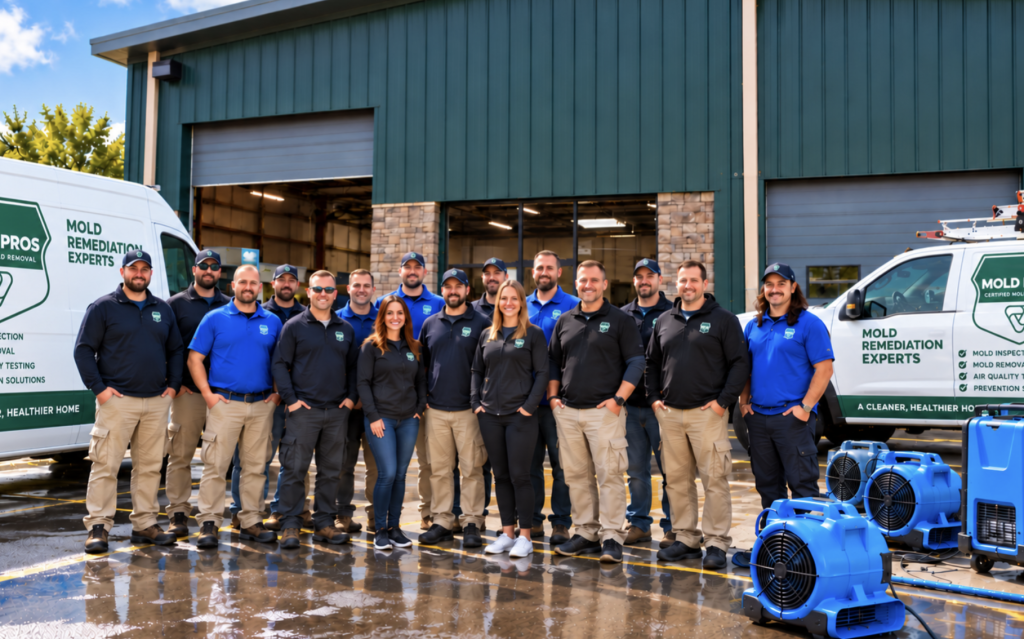
Professional Mold Removal in Canton, GA
Mold cleanup should address both the visible growth and the moisture that allowed it to develop. Canton Mold Remediation Pros helps property owners protect living areas, work spaces, and affected building materials during the cleanup. We use containment, HEPA filtration, careful cleaning, and controlled removal to limit the spread of mold dust. Our team is IICRC certified and BBB Registered. We explain the work area, affected materials, and cleanup plan before work begins.
What Happens During Professional Mold Removal?
We begin by reviewing where moisture entered and which materials show damage. Common sources include roof leaks, plumbing leaks, appliance leaks, bathroom ventilation problems, condensation, and damp materials. Stopping the moisture source is necessary before cleanup can stay effective. Plumbing, roofing, HVAC, and other building repairs remain separate from mold cleanup unless another contractor handles them.
We protect unaffected areas with containment, which means plastic walls and barriers that help keep mold dust from spreading. We use personal protective equipment and HEPA air scrubbers during dusty work. A HEPA air scrubber filters fine particles from the air while the work area is controlled. These steps matter because opening walls or removing damaged materials without protection can spread debris into clean rooms.
Our technicians remove affected porous materials when cleaning cannot restore them. Porous materials include drywall, carpet, insulation, and some ceiling materials that soak up water and mold growth. We clean appropriate hard surfaces with methods suited to the material and its condition. Concrete, tile, framing, and subflooring each require different handling, so we do not treat every surface the same way.
After removal and cleaning, we complete detailed cleanup of the work area and nearby surfaces. We use HEPA vacuuming and careful wiping to reduce settled dust. Property protection stays part of the job from the first barrier through the final cleanup. Rebuilding walls, replacing trim, repainting, and installing new flooring are separate reconstruction tasks.
What Canton Property Owners Should Expect on the Job
Every project starts with the affected area, the material condition, and the moisture source. A bathroom with poor ventilation needs a different plan from a wall opened after a plumbing leak. Attics may involve damp roof sheathing or insulation, while crawl spaces may involve damp joists, subfloors, or other hard-to-access materials. We adjust containment and removal methods to protect the rest of the property.
Residential work often focuses on keeping household areas separated from the work zone. Commercial work requires attention to occupants, staff, customers, and business operations around the affected space. We serve homes, apartments, condos, office buildings, schools, churches, medical facilities, retail properties, and industrial properties. The work area and access plan depend on where the mold and moisture are located.
Occupants do not automatically need to leave for every project, but some work areas should remain unoccupied during active removal. This is especially relevant when materials must be opened or removed inside a regularly used room. We explain which spaces are restricted while work is underway. Do not enter a contained area or move barriers without direction from the remediation team.
What’s Included in Mold Cleanup
Our mold remediation service focuses on controlling the work area, removing affected materials, and cleaning surfaces that can be restored. The exact scope follows the materials and moisture conditions found at the property. The core work can include the following:
- Containment barriers and protection for nearby unaffected areas.
- HEPA filtration, HEPA vacuuming, and careful cleanup of mold dust.
- Removal of affected porous materials and cleaning of suitable hard surfaces.
We also explain which materials require removal and which surfaces can receive cleaning. Drywall, carpet, and insulation often absorb moisture and need careful evaluation before cleaning is considered. Concrete and wood are porous and need careful assessment. Glazed tile has a less absorbent surface, but grout, coatings and nearby materials still need attention. Wood framing and subflooring require inspection for moisture and surface conditions before the final cleaning plan is set.
What’s Not Included in Mold Cleanup
Mold cleanup does not include repairing the leak or rebuilding the property after removal. Roofing repairs, plumbing repairs, appliance repairs, HVAC repairs, and drainage work are separate services. Replacement drywall, new insulation, painting, finish flooring, and cabinet installation are also reconstruction tasks. These boundaries help keep the mold scope focused and prevent unfinished building repairs from being mistaken for remediation.
- Roof, plumbing, appliance, HVAC, and other source repairs.
- Reconstruction, painting, finish work, and replacement installations.
- Independent mold testing or laboratory identification.
We do not perform mold testing, and mold color alone does not identify a species. People commonly call dark growth “black mold,” but color cannot confirm what it is. Independent testing or assessment can help when the extent or type of a problem needs separate documentation. Visit our warning signs page for more about discovery, testing questions, and when a contractor should become involved.
How Materials Affect the Cleanup Plan
Material type affects whether cleaning is suitable or removal is safer. Drywall and insulation can hold moisture inside areas that look dry on the surface. Carpet and padding can also retain moisture after leaks or backups. These materials often need removal when mold growth or saturation has reached areas that cannot be reliably cleaned.
Framing and subflooring need careful evaluation because they support the structure and may be exposed after other materials are removed. Concrete and tile are generally handled through surface cleaning, while grout, adhesive, and nearby porous materials receive separate attention. Attics can involve insulation, roof sheathing, or venting conditions that keep materials damp. Crawl spaces may involve joists and subfloors affected by persistent moisture, exposed soil, or limited airflow.
Moisture can also hide behind walls, beneath appliances, or near bathroom fixtures. Slow plumbing leaks inside walls may leave staining or odor before the source is obvious. Washing machines, dishwashers, refrigerator water lines, and water heaters can affect flooring and nearby wall materials. Finding and correcting the source remains part of preventing the same conditions from returning.
How Project Size and Cost Are Determined
There is no single price for every mold cleanup project. Actual mold remediation costs vary based on affected materials, work-area size, containment needs, access, and the moisture source. A small surface cleanup and a large concealed wall project require different labor and protection measures. An inspection is needed before a final scope and price can be provided.
Job size also affects how much material must be protected, opened, removed, cleaned, and prepared for reconstruction. A contained bathroom area may involve different access needs than an occupied office or retail space. Hidden moisture can change the scope after affected assemblies are opened. We explain the observed conditions and the work needed rather than treating every project as the same.
Before work begins, property owners should address active water when it is safe to do so. Shut off the water if a plumbing leak is still running, and avoid disturbing visibly affected materials. Do not paint over mold or move contaminated contents through clean rooms. These steps reduce unnecessary spread while the work area is being arranged.
If you need help with suspected mold in a Canton property, call (770) 470-2760. We will listen to what you noticed, discuss the likely affected area, and explain what happens during the first visit. Please mention active leaks, recent water damage, odors, visible growth, or materials that have already been removed. If water is still entering the property, shut off the source when it is safe and tell us where it is coming from.
Frequently Asked Questions
Can mold be cleaned from drywall?
Drywall is porous, so mold growth and moisture can extend beyond the visible surface. Light surface conditions do not always require the same action as saturated or heavily affected drywall. We evaluate the material, moisture history, and surrounding area before deciding whether cleaning or removal is suitable. Replacing drywall after remediation is a separate reconstruction task.
Does mold removal include fixing a roof or plumbing leak?
Mold cleanup does not include roof, plumbing, appliance, or HVAC repairs. Those repairs stop the source but do not remove mold-contaminated materials. The source should be corrected so cleaned areas do not become wet again. We keep repair and remediation scopes separate so each part of the property work is clear.
Can occupants stay in the property during remediation?
Occupancy depends on the location, materials, containment, and amount of active removal. Some projects can keep occupants away from the contained work area. Other projects require broader restrictions while materials are opened or removed. We explain which rooms or areas must remain clear during the work.
Does dark mold always mean a dangerous species?
No, color alone does not identify a mold species. People often use the term “black mold” for dark-colored growth, but appearance is not a reliable identification method. Cleanup decisions focus on moisture, material condition, affected area, and safe removal practices. Health questions should be discussed with a doctor or qualified public-health professional.